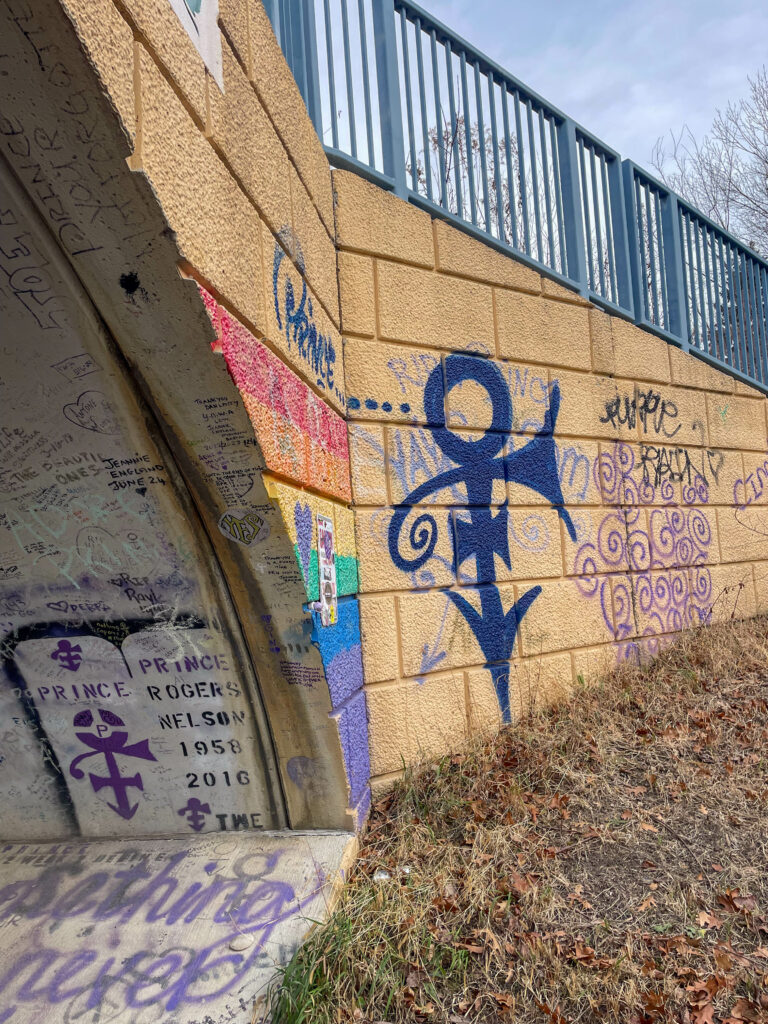
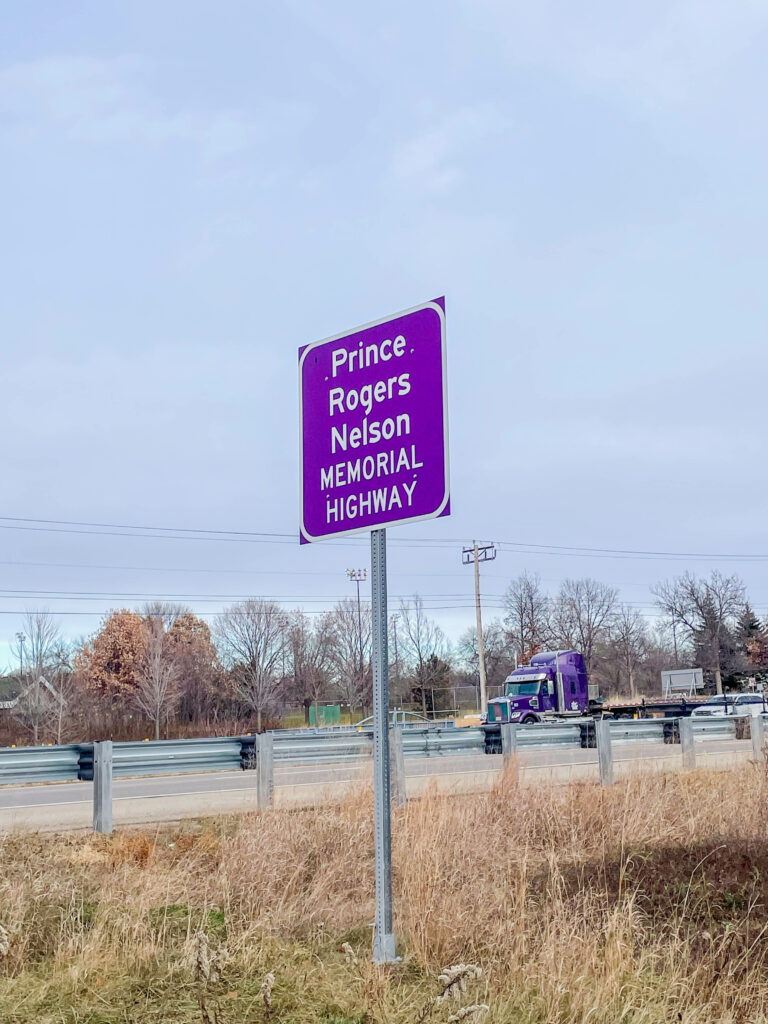
From music to local pride, how Prince put one Minneapolis suburb on the global map.
The small suburb of Chanhassen, Minnesota, is located 30 minutes southwest of Minneapolis. With a population of just 26,000, Chanhassen is unknown to many, but some know it as the home of one of the world’s most iconic musicians.
Prince Rogers Nelson, known simply as Prince, was born and raised in Minneapolis, Minnesota. Growing up, he taught himself to play the guitar, piano, drums, and nearly 40 instruments.
By 19, he signed a record deal with Warner Bros. Records and released his first studio album, For You, about 7 months later in 1978. For You featured 28 different instruments plus vocals, all performed by Prince.
He quickly garnered international acclaim, winning one Oscar, seven Grammys, and many more awards by the end of his music career.
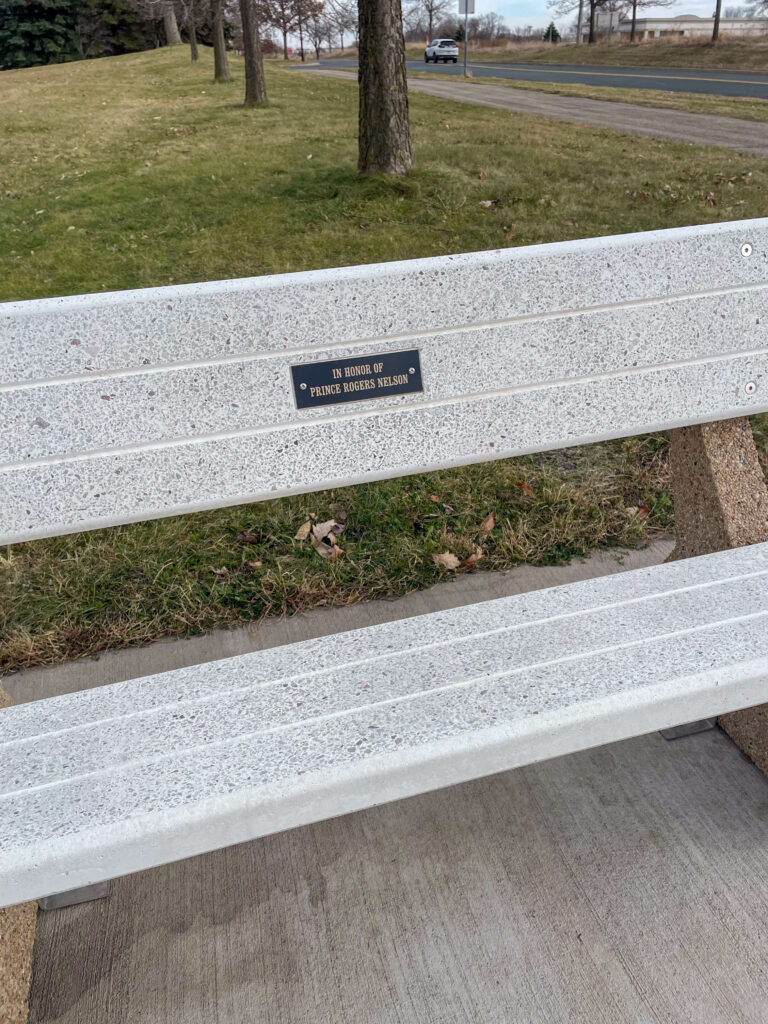
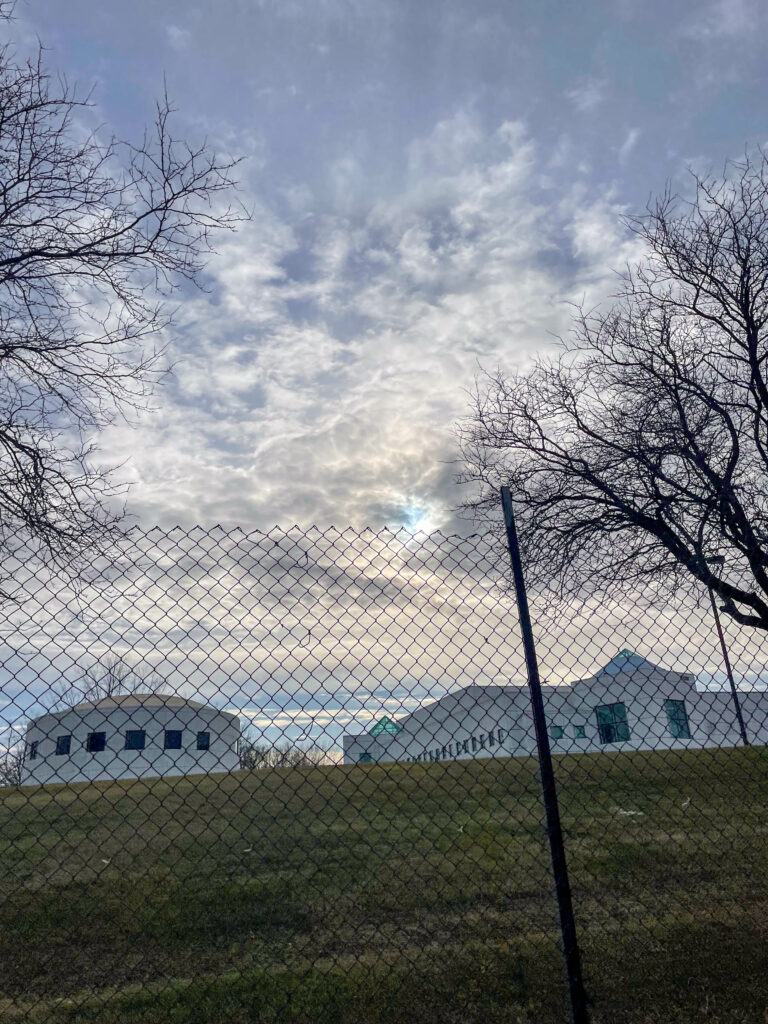
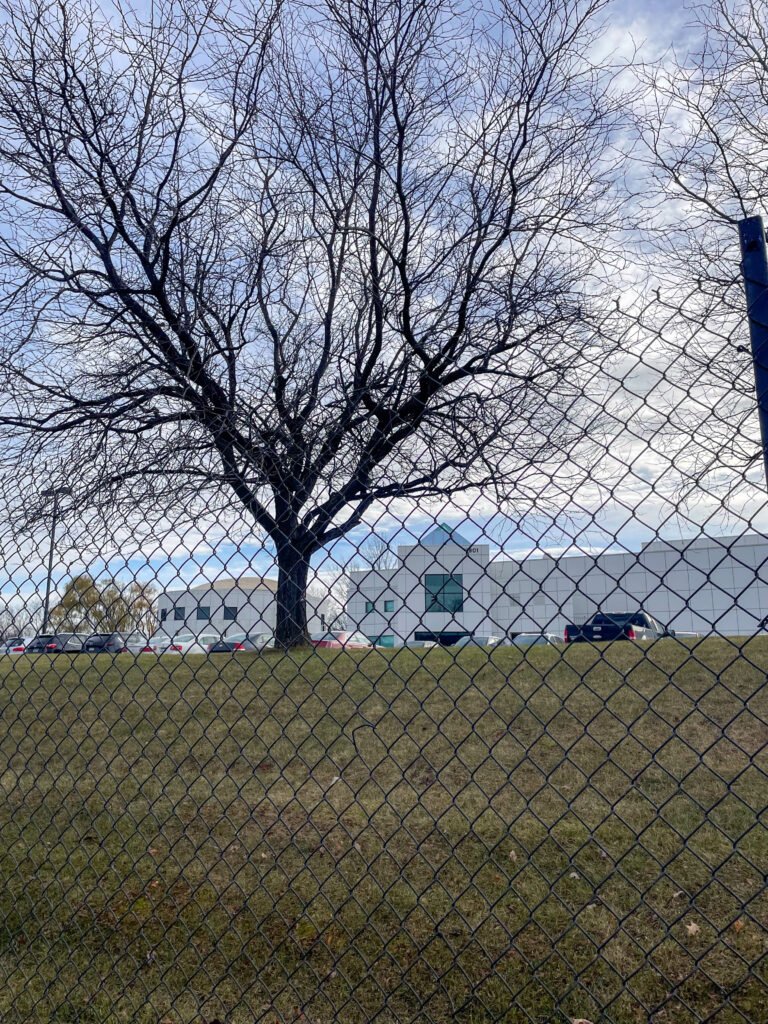
In 1987, Prince built Paisley Park in Chanhassen. The 65,000-square-foot estate served as both Prince’s home and recording studio. When Prince died in 2016, not only was the world devastated, but the impact hit the Chanhassen community hard.
“[Prince] was one of us. If you had no idea who he was for whatever reason, you wouldn’t have realized he was a world-famous rock star,” said Scott Fischer, a Chanhassen local. “He was just another neighbor you’d see out and about.”
Fischer said it was common to see Prince around town. Once, he even waited in line behind him at the Target check-out.
“I was just minding my own business, and I looked up at the man in line in front of me and thought to myself, ‘Why does he look familiar?’ then it dawned on me that it was Prince just casually buying some produce,” Fischer said.
Eric Songer, a local middle school music teacher, described how Prince’s presence was felt throughout the school district’s music programs.
“The impact of being in a community where [Prince] lived and worked was always kind of in the back of my mind [while I taught],” Songer said. “The fortune of landing a job in his backyard was very cool.”
Originally from Wisconsin, Songer started teaching in Chaska (a suburb just half a mile from Chanhassen) in 1997. He echoed Fischer’s statement that Prince was just another member of the community.
“I was like a lot of people who would occasionally spot him riding his bike, buying groceries, going to a movie. I even know a ton of musicians that got to play with him,” Songer said. “There’s a lot of one-degree [of] separation when it comes to knowing him personally.”
Songer said that Prince would work with local musicians and host parties at Paisley Park. He recalled a time he personally got a call from Paisley Park asking if they could borrow some of the middle school’s music stands for a party Prince was throwing.
While Songer never met Prince personally, he said he worked with many of the local musicians who Prince hired, including bringing them in to talk and work with his students.
“I’m an ‘80s child, so Prince was a big part of my life growing up,” Songer said. “Getting to even work with people who played with him was unbelievably cool.”
Prince was also philanthropic. According to both Songer and Fischer, he always gave back to the community.
“Prince was an amazing giver of money and time, especially for causes he thought were important,” Songer said. “He never wanted credit. He would always do it under a pseudonym.”
Songer said Prince always gave anonymous donations to the local school district’s music programs, including a famous $30,000 anonymous donation to the Chanhassen Elementary School music program that was used to buy instruments for their students.
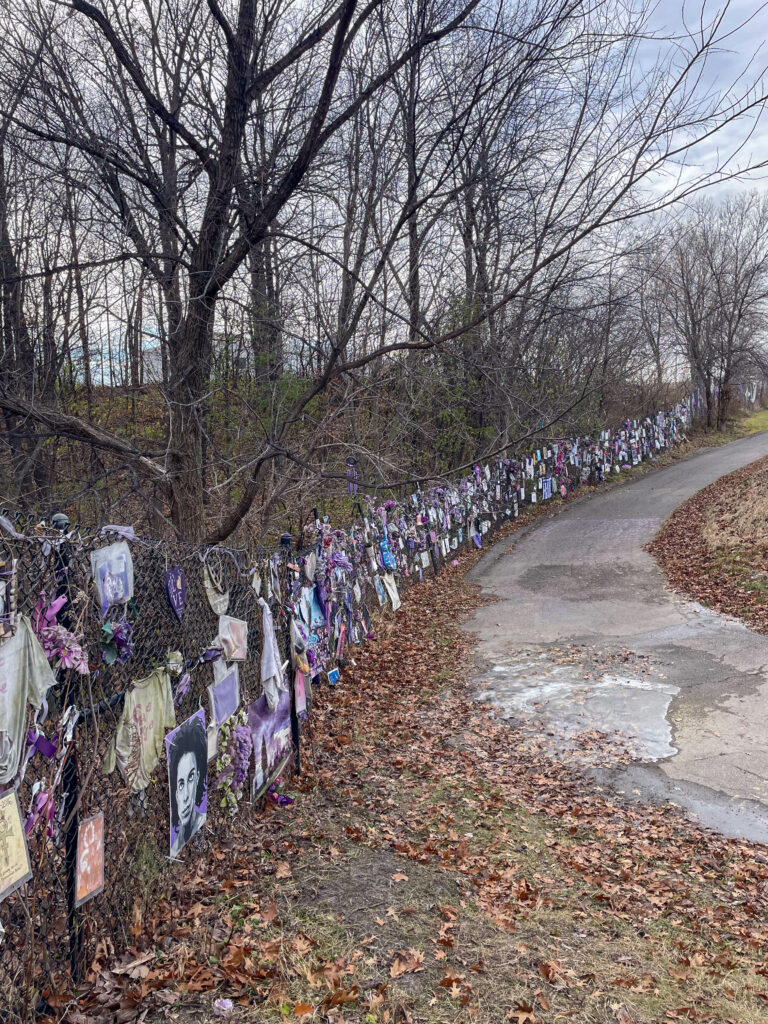
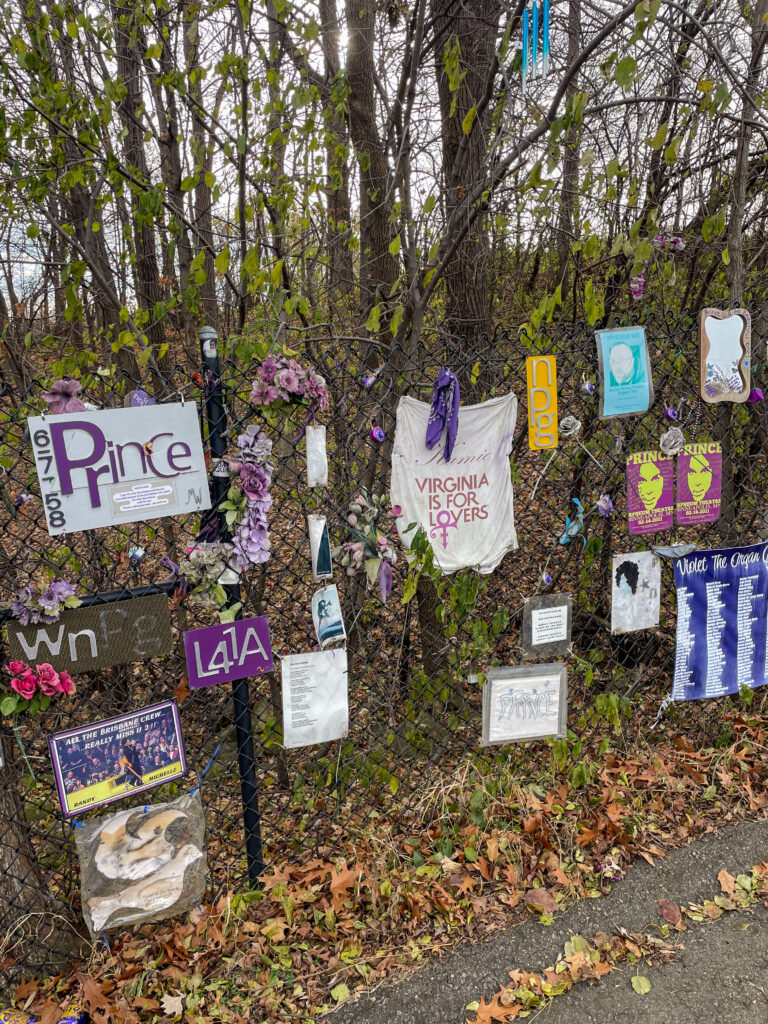
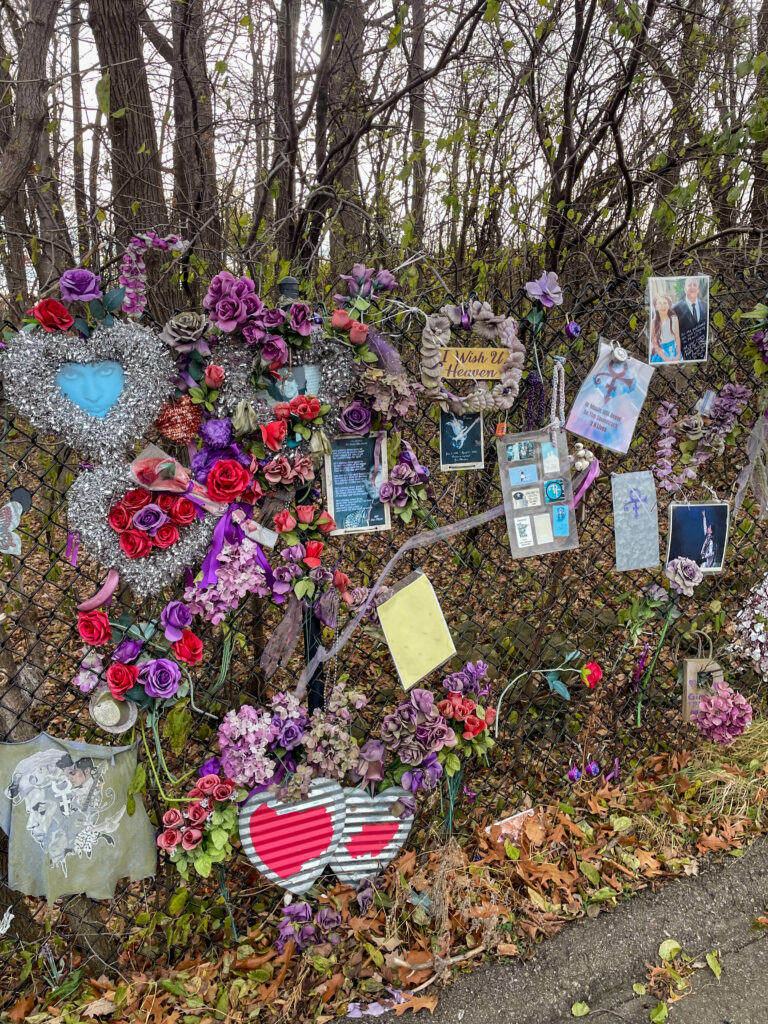
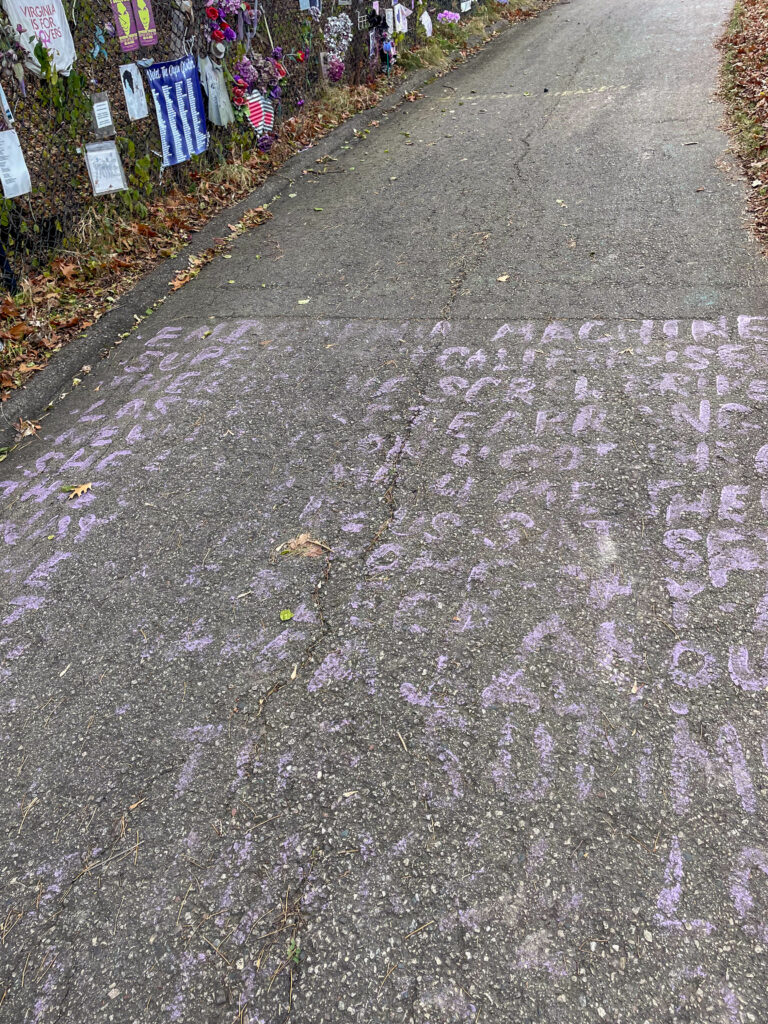
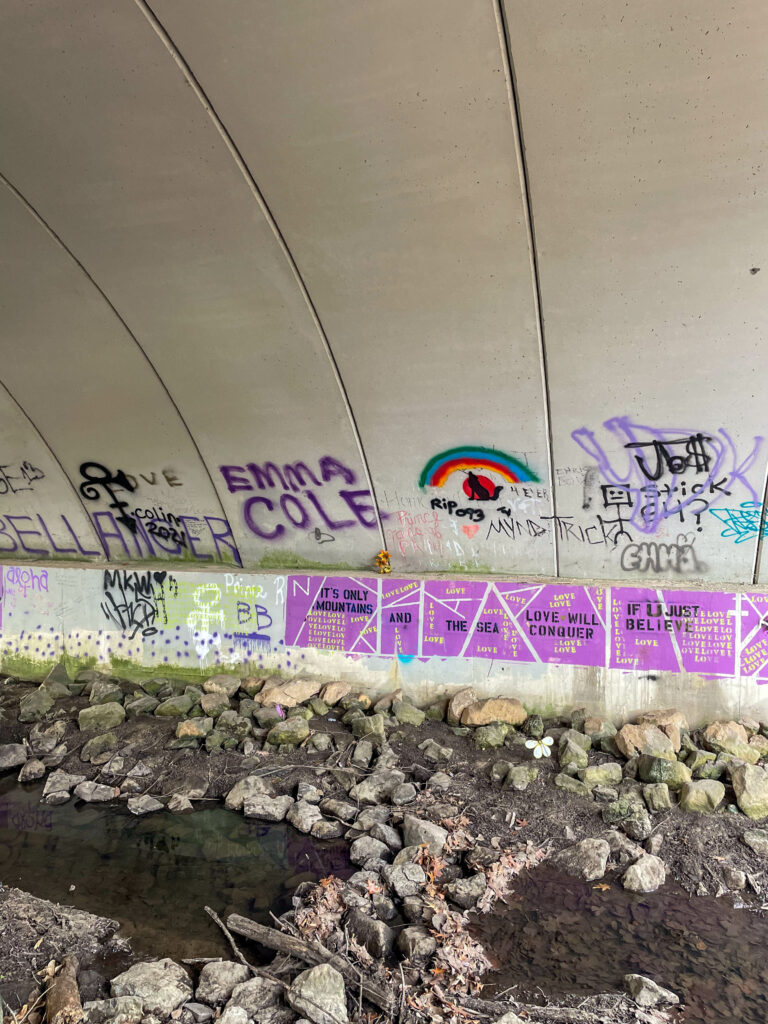
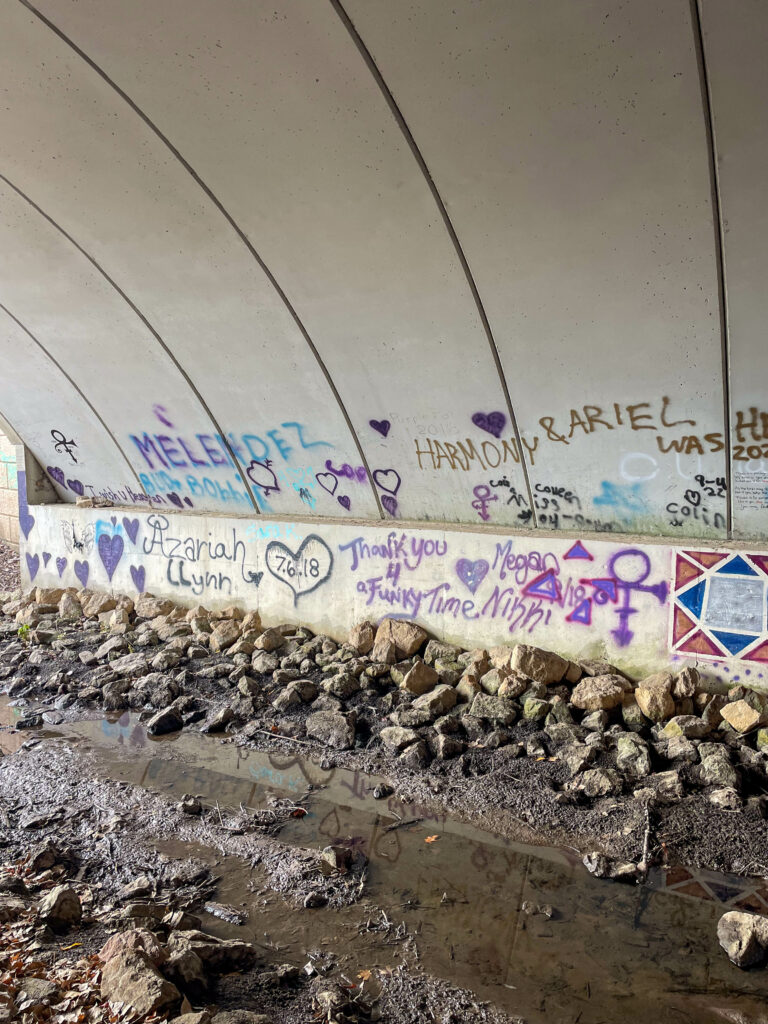
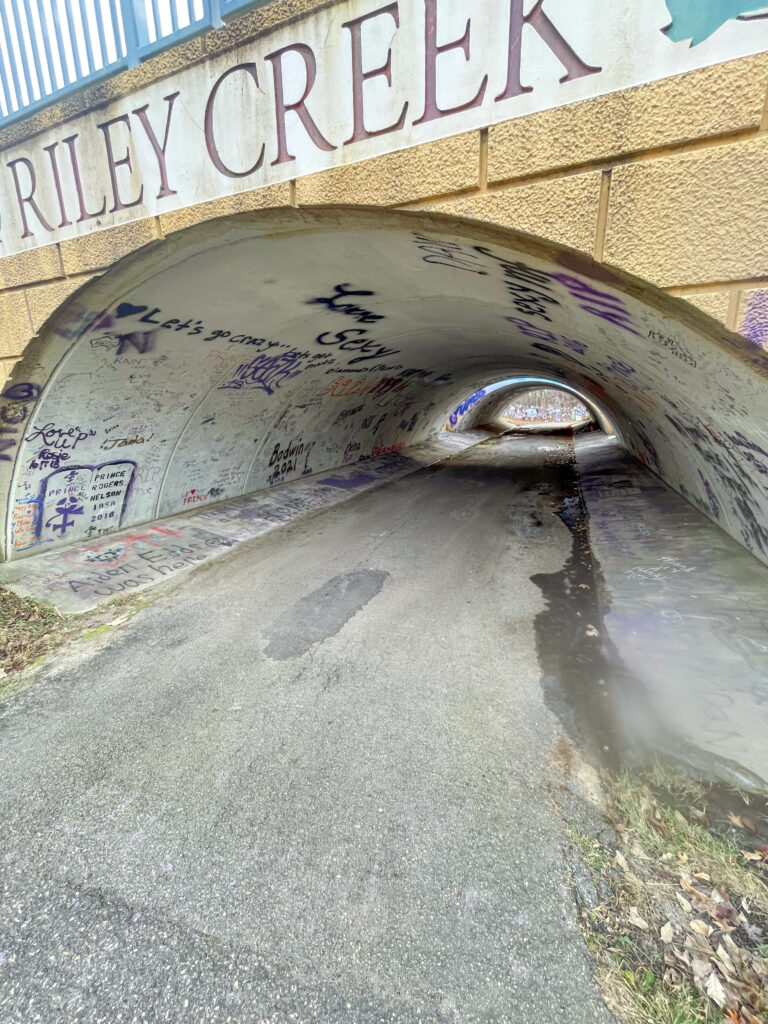
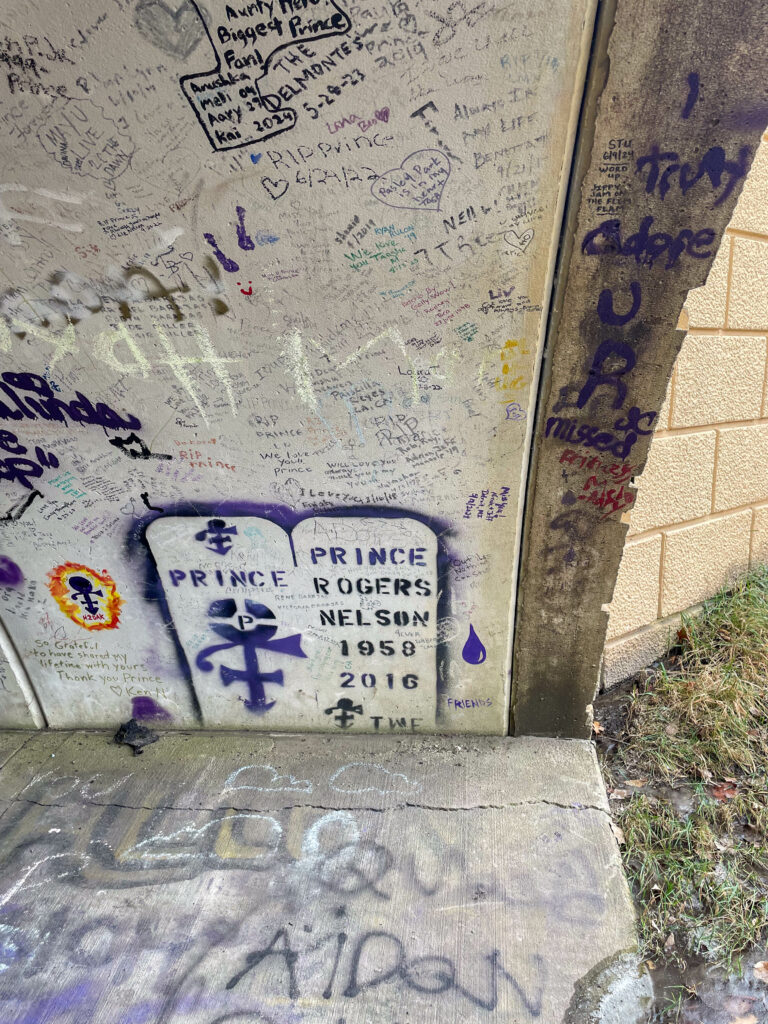
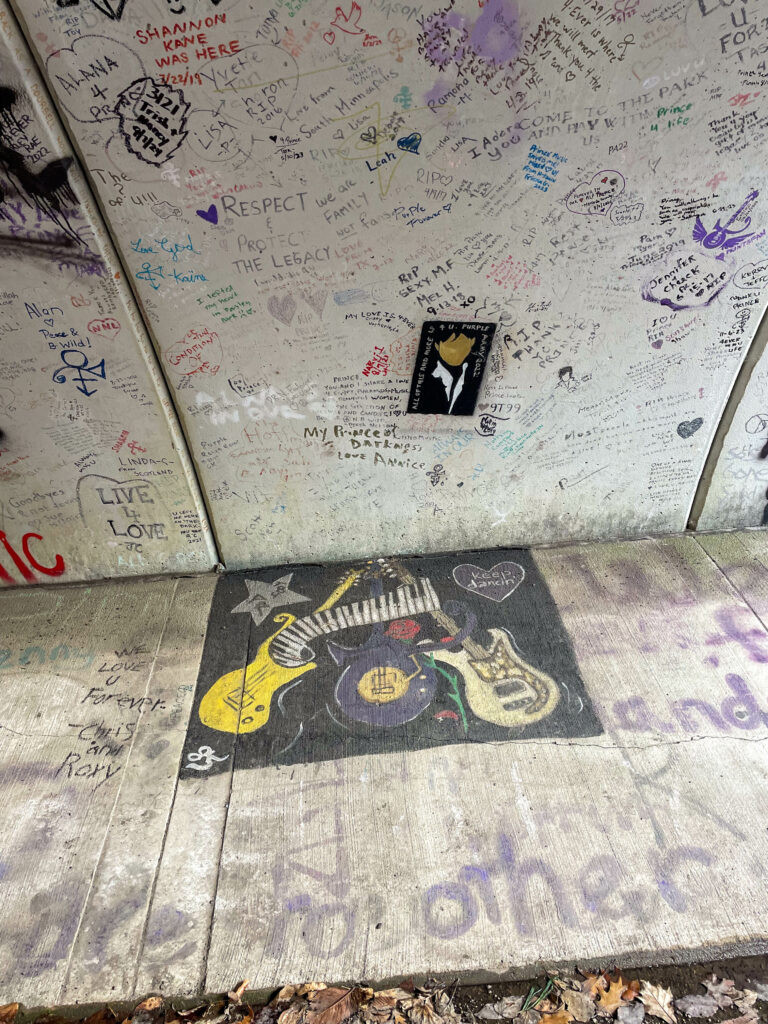
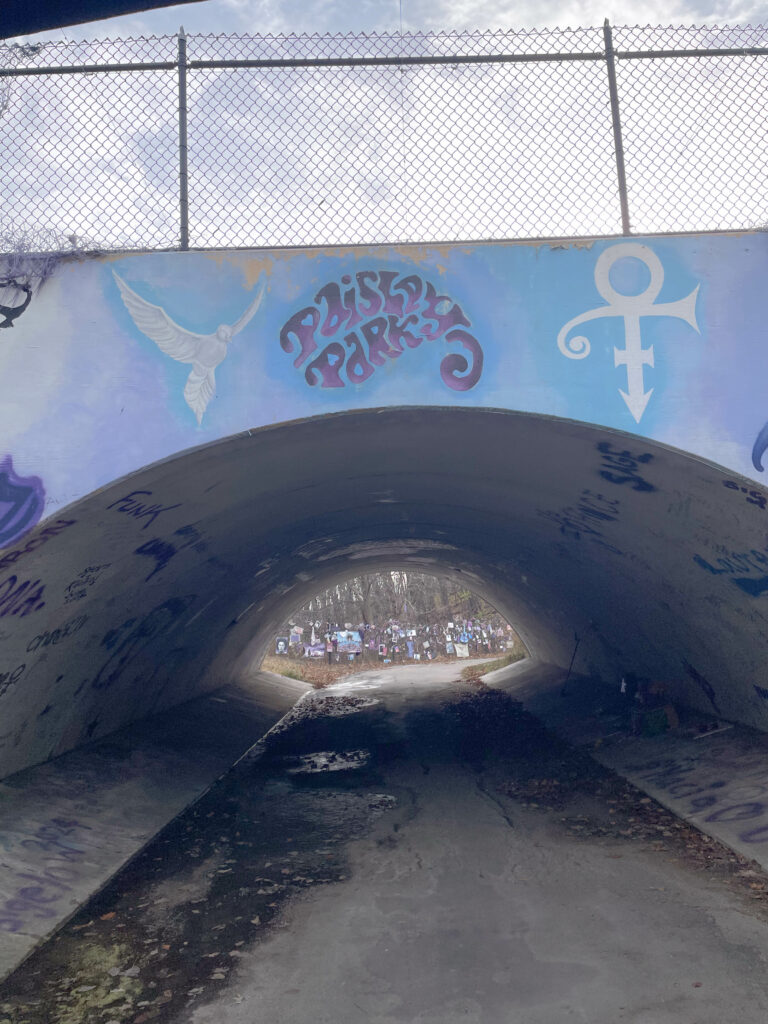
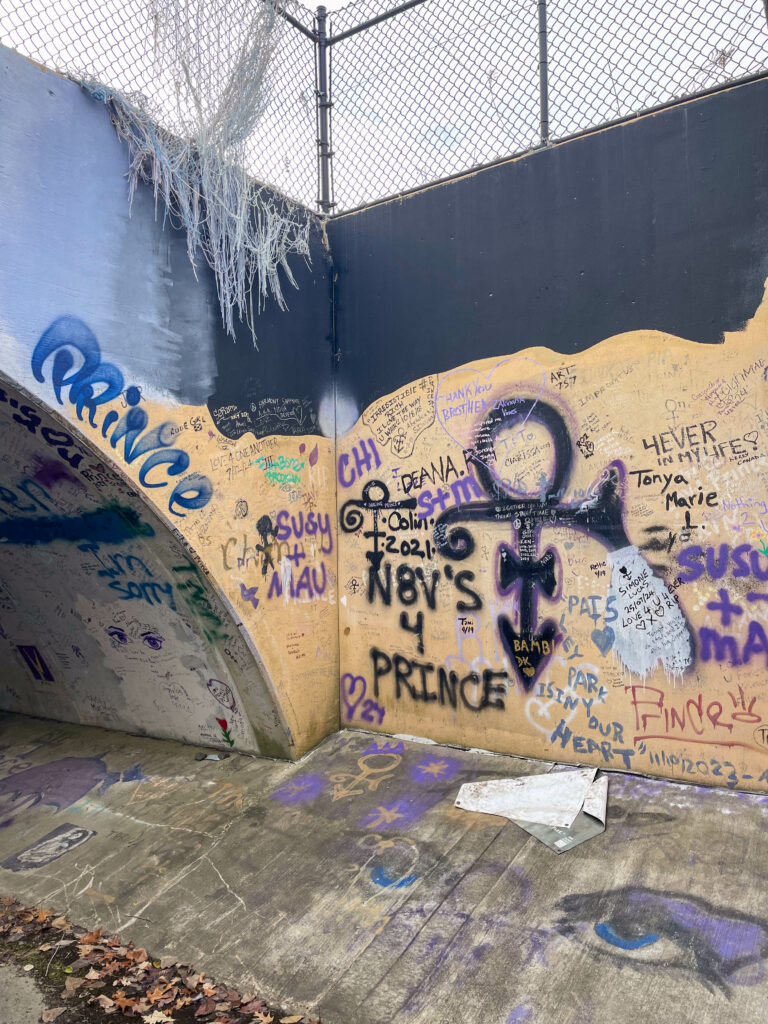
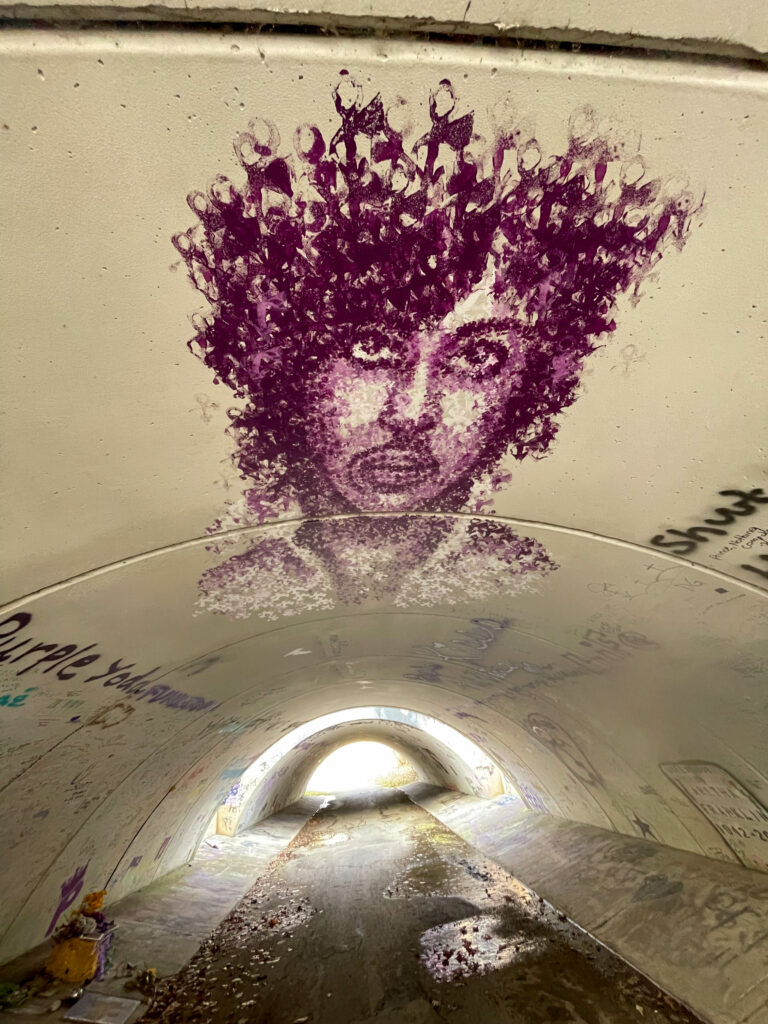
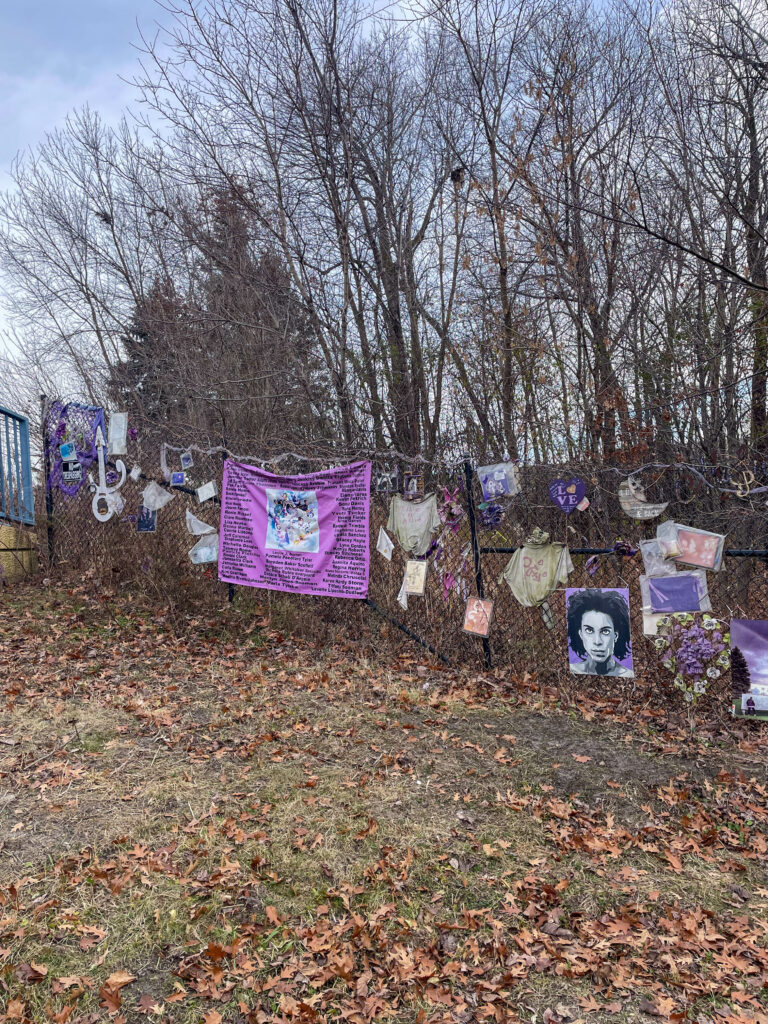
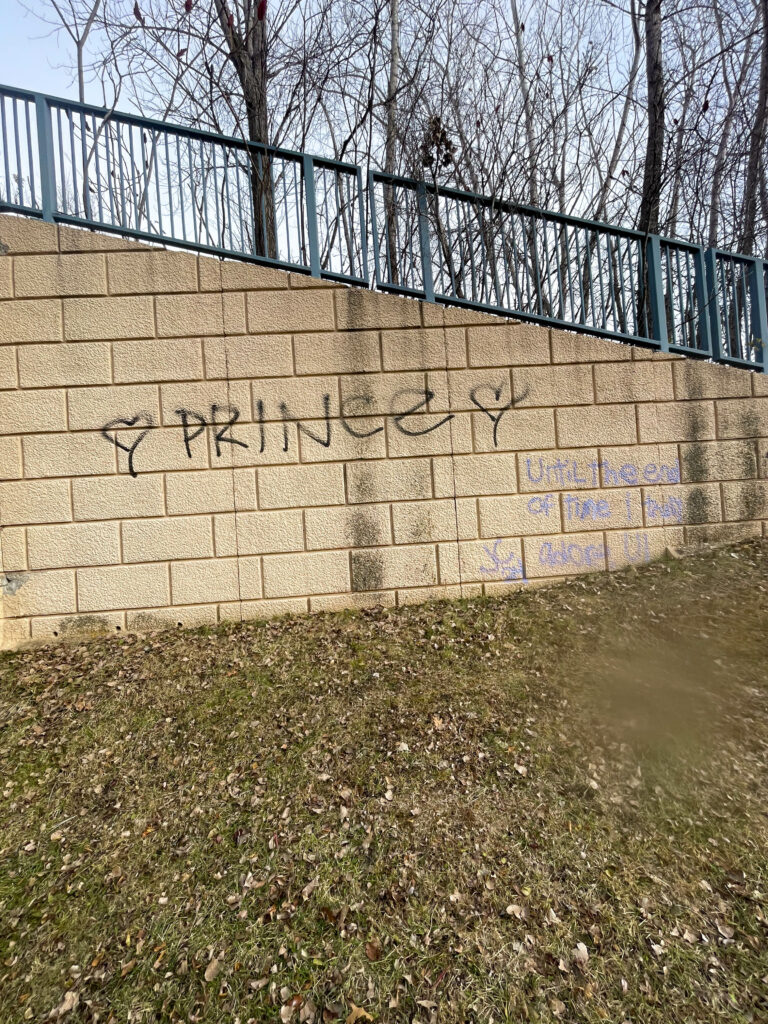
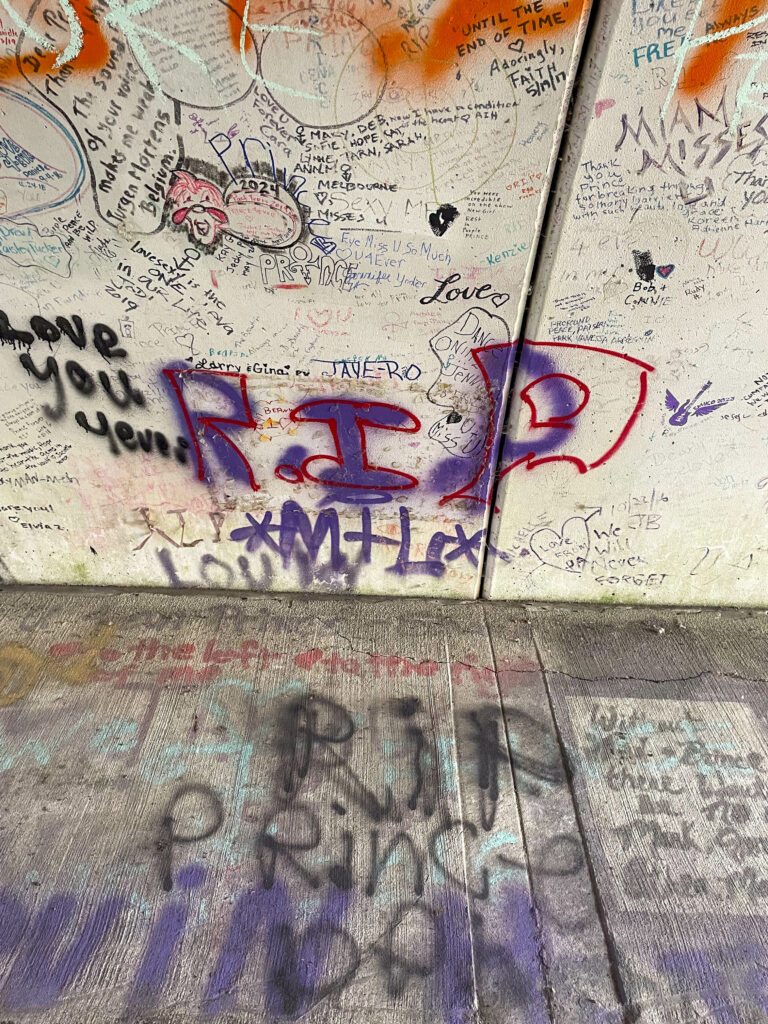
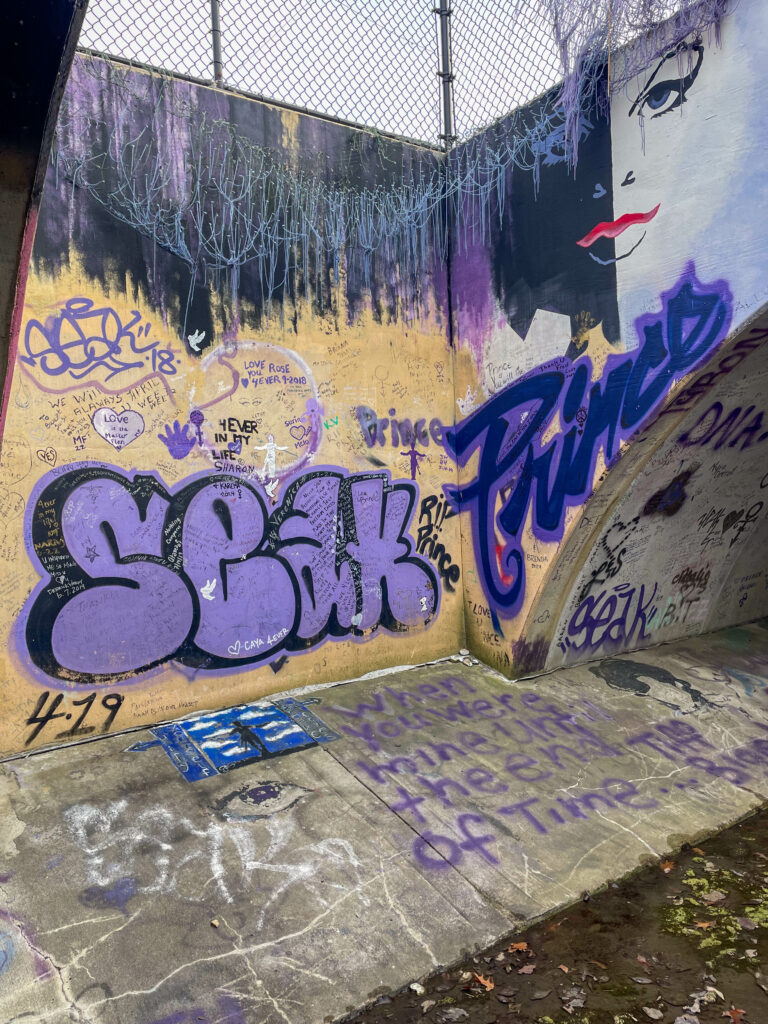
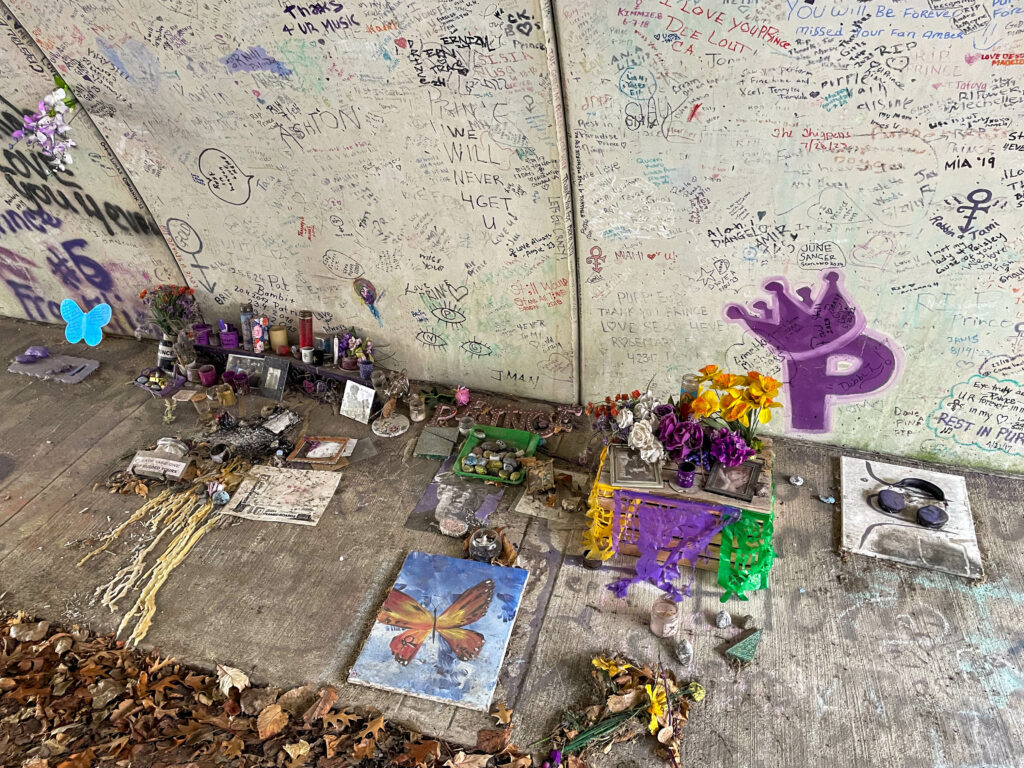
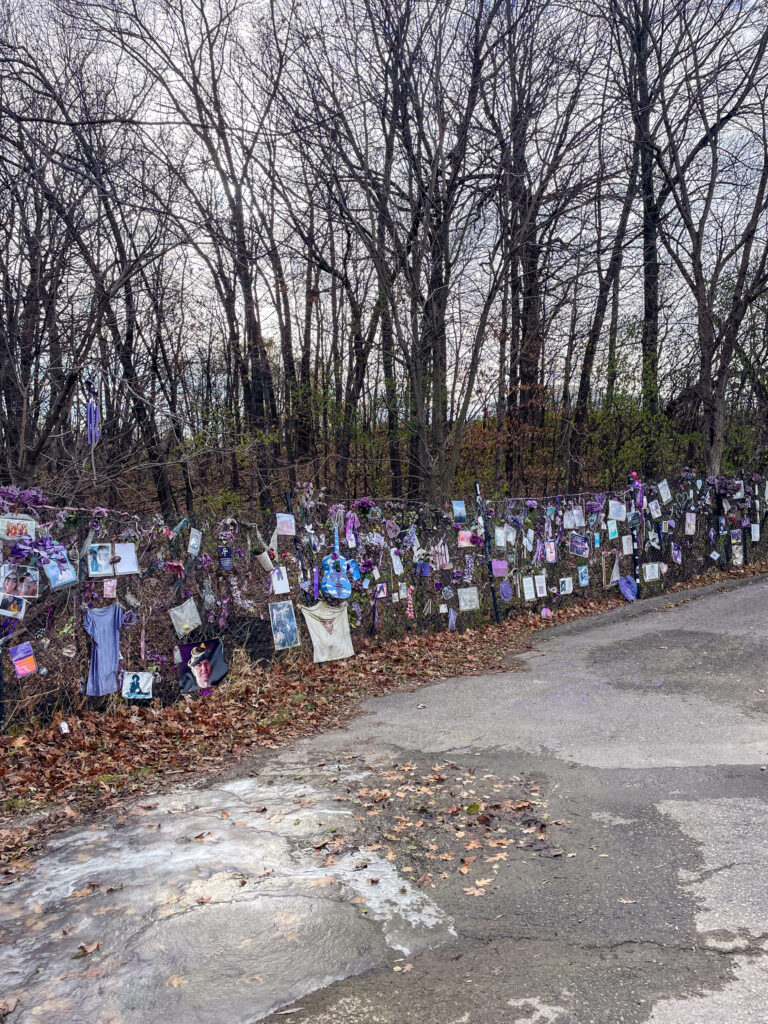
When Prince died, thousands gathered outside Paisley Park to remember the music icon. The perimeter fence is adorned with pieces of memorabilia honoring him. The Paisley Park estate keeps the items.
“There were a few of us who knew about all the donations, but it didn’t become public [knowledge] until after his death,” Songer said.
Fischer said he felt very fortunate to be able to send both his kids through the local band programs.
“We have such a great music program here in Chaska and [Chanhassen], and finding out some of the funding was coming from Prince really showed how much he cared for the community and how much he loved music,” Fischer said.
Local Chanhassen resident Jacob Young said Prince was one of the reasons they felt comfortable coming out as queer and non-binary.
“Here we have an androgynous-dressing, gender-fluid, Black rockstar who defied all the gender norms for the ‘80s and ‘90s. Prince was one of my role models growing up,” Young said. “As a person of color who has struggled with my own identity, having Prince two blocks from my house really made me feel more comfortable.”
Young also described a time a friend of theirs got tickets to a Minnesota Vikings game from Prince because he wanted his neighbors to “enjoy a treat.”
“I’m sure you could ask almost anyone in this town, and they would have some kind of story like that,” Young said. “He may have been a world-renowned superstar, but here, he was our friendly neighbor [who] you could ask for a cup of sugar.”
Young said they were devastated when they first learned of Prince’s death but knew Prince brought nothing but love to the Chanhassen-Chaska community. They said his legacy will be felt for a long time.
“[Prince] loved living here, in Minnesota in general, but Chanhassen was truly special to him,” Fischer said. “It was like his momentary escape from all the fame, where he could just live a normal life.”