
The truth behind the cow-tipping myth — and why it’s never really been a thing in the heartland.
Chat GPT used for hed and dek inspiration and copyediting
Imagine it’s a late Friday night in the Heartland. The twinkling stars in the sky cast a dim light over the rolling hills, abundant crops, and plentiful livestock. There are no parties to attend, malls to shop in, and little entertainment. Why not try something new? Take the four-wheeler out, sneak onto a farmer’s property, and meet face-to-face with a cow. It’s time to test the strength and bravery of the animal… for fun?
Maybe that’s what someone from the coast believes Midwesterners do, but in reality, cow tipping is a tall tale.
Hollywood Films like the 1995 comedy “Tommy Boy” popularized this urban legend. In one scene, actors Rob Lowe and Chris Farley find themselves face-to-face with a dairy cow.
“Shhh, she’s sleeping,” Farley’s character Tommy said. “What you do is put your shoulder into her and you push.”
“This doesn’t strike you as kind of dumb?” Lowe’s character, Paul Barrish, asked in the middle of a muddy Ohio farm.
Tommy attempts to push the cow over but falls into the mud instead. The scene perfectly captures the absurdity of the cow-tipping myth: it’s dumb and nearly impossible.
There are various interpretations of what cow tipping looks like, but there are two prominent methods: pure strength or pure scare. For example, in the 2006 animated film “Barnyard,” a cow is literally shoved over by a human. In Pixar’s “Cars,” Lightning McQueen and Mater sneak up on unsuspecting tractor “cows,” honking their horns to startle and knock them over.
In real life, Mallory Evans, a student at Iowa State University, claims to have tried the latter method. Growing up in rural central Iowa, there wasn’t much for her and her friends to do, so they would take the four-wheeler out to private farms to attempt cow tipping.
When she was about 12 years old, Evans and a friend would search for cows standing alone in a pasture. They would quietly approach the cows they thought were sleeping. Then, one of them would lift the cow’s ear, and the other would scream. The shock would sometimes be enough to make the cow topple over. Afterward, one of two things would happen: the cow would fall over or remain asleep, undisturbed.
“I have no regrets,” Evans said. “It’s funny.”
But try to find a real-life example of someone single-handedly pushing a cow over. It will take days to find one on YouTube.
Despite the varying methods, cow tipping relies on a few factors. First, the cattle need to sleep standing up. Second, they must be alone and isolated, making them vulnerable to being tipped. Lastly, a human’s approach cannot wake them up too early. According to Sara Preston, a sixth-generation Iowa farmer from Swea City, these three things rarely happen at once.
“I find looking at cows very fun, but we’re not in the process of tipping them,” Preston said.
Full-grown beef cows on Preston’s farm weigh between 1,300 and 1,600 pounds — no easy task to push over.
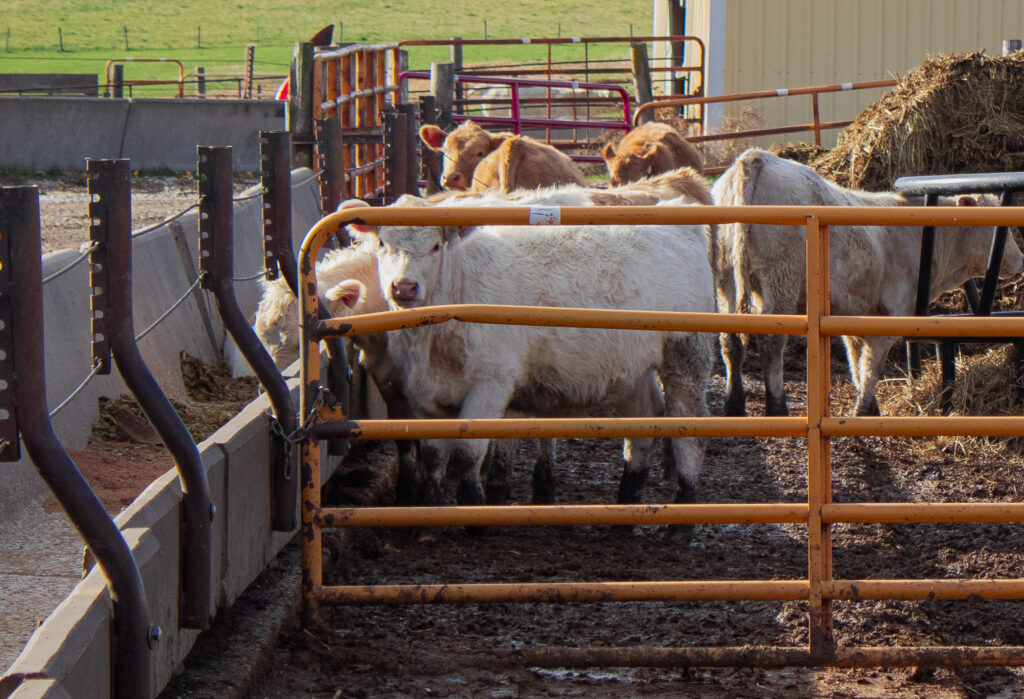
“Cows aren’t just going to stand there while you try to push them,” Preston said. “You’d need multiple people to move an animal of that size.”
Former University of British Columbia Zoologist Dr. Margo Lillie and student Tracy Boechler ran the numbers in 2005 and agreed.
“Two could do it in theory,” Lillie told Modern Farmer. “But it’s not going to be easy, and as soon as the cow responds by bracing herself or leaning into you — which she will do — it will be even harder.”
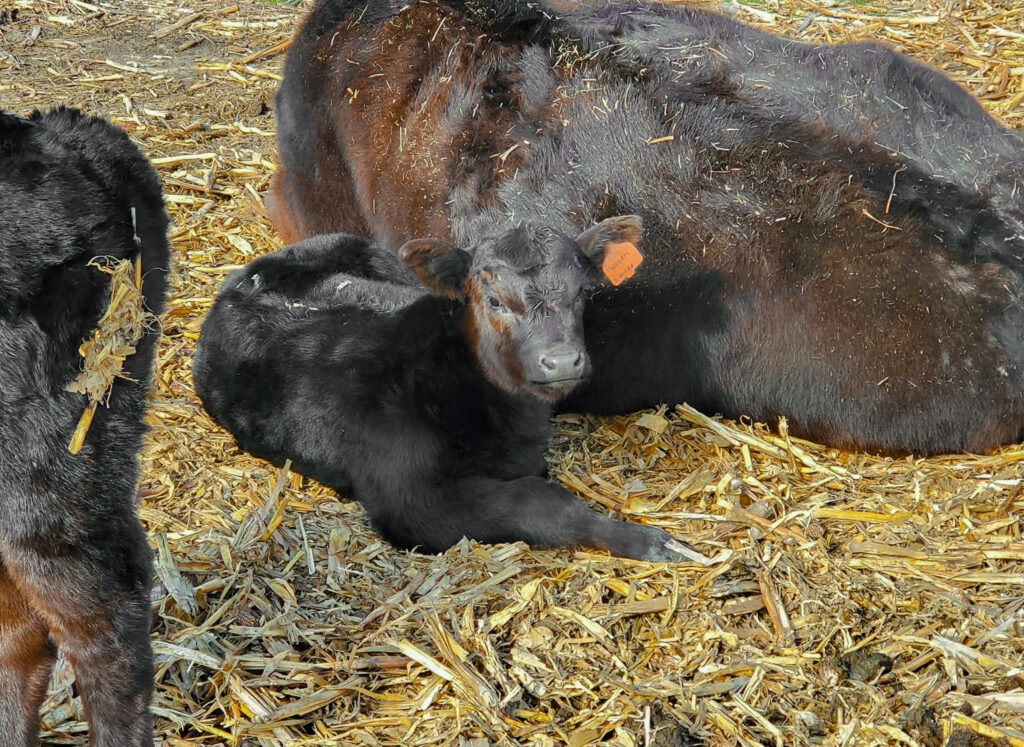
The claim that cows sleep standing up has also been debunked. Cows sleep lying down with their heads tucked in. Additionally, it’s rare to find a cow alone, as they are a herd species that stick together for protection. Preston also pointed out that cows have excellent hearing and a strong sense of smell.
“It’s their natural instinct,” Preston said. “As soon as they hear movement — even if they’re sleeping — they’re going to put their head up and look to see what that noise is.”
Preston believes Iowa and the Midwest have much more to offer than cow-tipping. However, the myth will likely persist until Hollywood draws some real inspiration from the region.