
Prison wine, hooch, brew, it’s all the same, and all very common in lockup
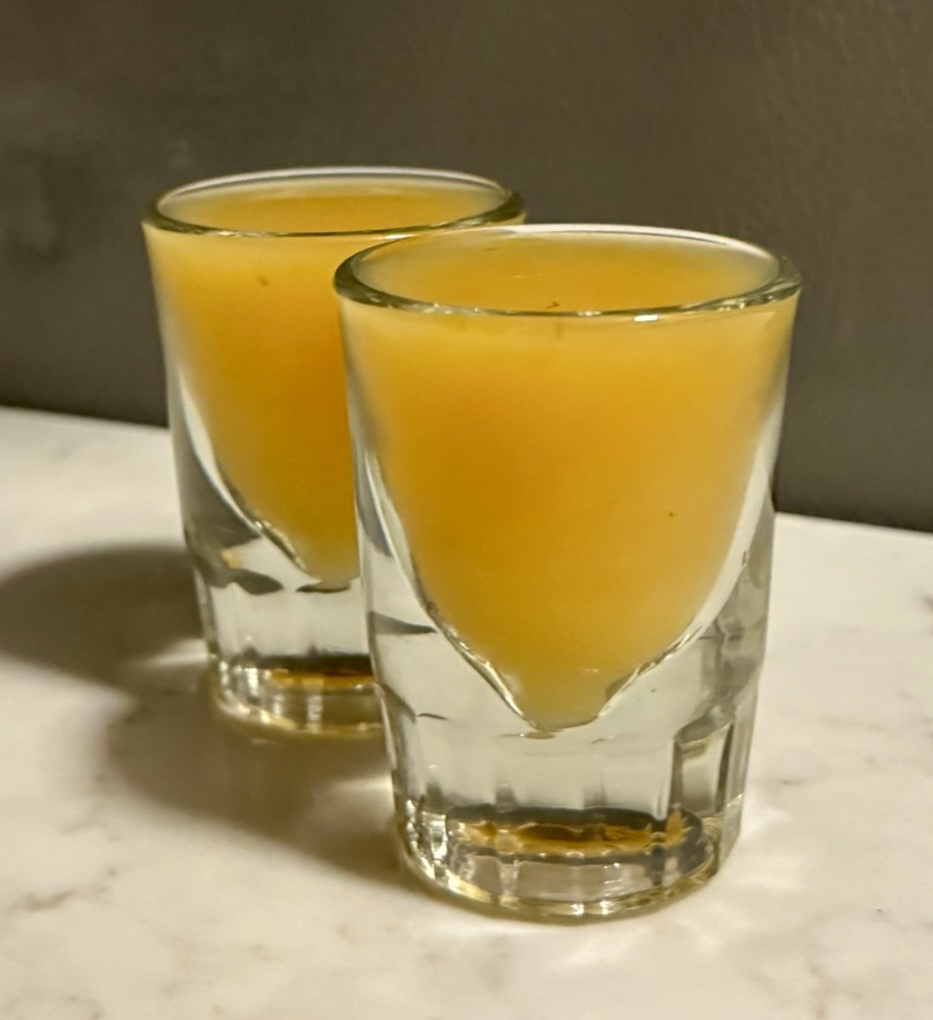
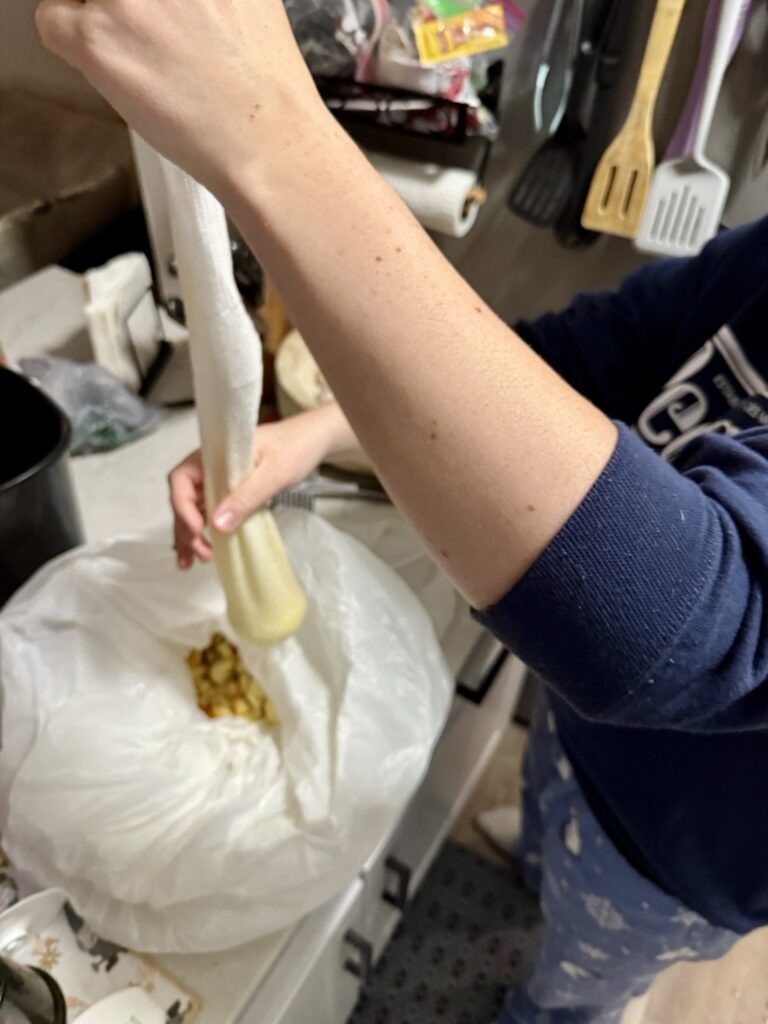
And there I was, elbow deep in a fruit-soaked sock. One by one, I forced apples and oranges to the bottom of the tube to squeeze out their juices. I tested my bare strength as I tore each piece of produce in half. Sure, I could’ve used the meat tenderizer to speed up the process. But they don’t have meat tenderizers in prison.
Humans do crazy shit for drugs and alcohol. Maybe it’s a sketchy meeting in a back alley. Perhaps it’s crossing state lines for weed. Or even using fake IDs for cheap liquor. Whether it’s to let loose, gain some confidence, or to dull the pain, substances are highly sought after— even in prison.
It goes by many names: hooch, prison wine, brew and even buck. But it all means the same thing —alcohol fermented behind bars. And it’s actually more common than you think.
Since 1997, when Lieutenant Jon Eslick started working in jails in Placerville, California, finding hooch has been a weekly occurrence.
“It’s everywhere and it always has been. It’s in every jail and every prison,” he said.
He’s right. Just look at Urban Plain’s home state of Iowa. In 2024, the Iowa Department of Corrections had 274 recorded possessions of hooch in their nine state facilities. And that’s just the stuff they find. The Clarinda Correctional Facility found the most: 97 instances, or about 35%.
In Iowa, incarcerated individuals caught making, hiding or consuming hooch are subject to Class B violations. These result in loss of sentence reduction time, detention and/or loss of participation in activities and privileges.
But that isn’t stopping anyone.
The Recipe
How does one learn to make prison wine? You might start with a book or another source of reliable information. But in prison, that’s out the window.
Wardeh Harmon, author of the book Fermenting, had no idea her book was thrown out of Oregon’s prisons: “I just want to share my love of fermentation and recipes and the simplicity of it. … I interviewed a man in Oregon. He was making these very cool old fashioned low alcohol beers using lavender. I don’t think that the inmates would be making this beer.”
Instead, prison wine recipes are passed down from generation to generation.
“Just like how you learn how to wash your drawers out and hang them on a little piece of line so it can dry because you don’t got the laundry on the day you need it, you learn stuff in prison,” said Mario Qualls, a former California inmate of over 11 years. “With the wine, it’s handed down by word of mouth. ‘Save your fruit, save your fruit and then let it get rotten.’”
Which is the key—at least for wine. Beer and wine require completely different fermentation processes. Beer is all about the grains. Wine is about the fruit—and fruit is much easier to come by in prison.
Traditionally, the fermentation of wine involves three things: fruit, yeast and water. The yeast eats up sugars within the fruit, converting it to carbon dioxide and ethanol, a.k.a. the alcohol. Then the alcohol and water combine to form the wine. All of this usually takes place inside heavy glass with fermentation locks, which are essential for letting carbon dioxide release without letting in any air.
But, as you’d expect in prison, access to yeast and this type of container is, well, limited. So, human creativity and our addictive personalities come in handy. Inmates will use bread and rotting fruit instead of yeast to kickstart the sugar-to-alcohol process. To store their wine, inmates use plastic bags, which are available from the prison food service.
There are all kinds of different varieties and recipes for making prison wine, but Qualls’ goes a little something like this:
Ingredients and materials:
- 10 apples
- 10 peeled oranges
- Kool-Aid packets or sugar packets
- Rotten fruit or fruit cocktail
- Hot water
- Pillowcase or plastic bags
- A sock
- A warm and discreet place to store
Steps:
- One at a time, place the apples and peeled oranges at the bottom of the sock. Squeeze the fruit within the sock, collecting the juice as it drains into a pillowcase or plastic bag below. Throw the squeezed remnants in with the juice.
- Cover the concoction with sugar or powdered Kool-Aid
- Pour in about 1 cup of hot water
- Mix in the “kicker,” a.k.a. the rotten fruit
- Tie the pillowcase/plastic bag
- Store the wine in a warm, yet discreet place for 3 – 10 days
- Untie the bags, push out the warm air, strain through a sock, and enjoy
Sounds delicious and easy enough? Well, there are some health risks too.
Without fermentation locks, air contact within the plastic bag can spoil or contaminate the wine, making it ripe for the bacteria that create the toxins associated with botulism. You know, the super awesome and cool illness that attacks the body’s nerves, causing difficulty breathing, muscle paralysis and even death. But when you’re in prison, it’s the least of your worries.
“We’re in prison, bro, we don’t know what’s safe,” Qualls said. “You’re just tryna get by. … People wasn’t thinking about safety once they get to prison.”
So, in the name of service journalism, I tried it. Spoiler: I survived. days to settle refugees into their new lives.
The Test
It all started with a banana, as it usually does for me. I put two of them in a paper bag to ripen— or I should say, blacken. After hand juicing my fruits, I poured about a cup of hot water over the mixture, threw some sugar on top, and spewed out the putrid banana like a near-empty tube of toothpaste. With a lot of reluctance and commitment to the craft, I gave it all a hand stir.
For seven days, a soupy potion tied in three plastic bags (it would’ve been two without an accidental puncture), wrapped in a towel, and placed inside a trash bin, sat dormant in my apartment. I even took it outside on an adventure to cook on my porch. That might not have been the best idea.
Eventually, it was time to confront my concoction.
First, it needed straining—lots of straining. The whole thing was a pulpy goo. I poured the glopping mixture through a colander, separating out the chunks of rotten fruit from the good stuff. What was left was a thick, toxic-orange soup the looked like a bet I was about to lose.
With the threat of botulism ever present, I couldn’t bring myself to have a full glass. I did, however, have a couple of sips of my thick, rancid batch of prison wine. It smelled like hand sanitizer. It tasted like roadkill.
Perhaps if I had let my bananas blacken for a few more days, or set my stinky buckets outside to cook longer, or even had a precise, written-out and proven recipe, I would’ve gotten that cheap buzz. But I didn’t. Instead, I had a reeking apartment and a new appreciation for inmates.
Additional reporting by April Pupp.