
After high school, many students seek secondary education at one of the various colleges across the U.S. What makes students choose a college of 3,000 or 30,000 students?
Each year, millions of students make the decision to attend a college or university. With nearly 4 million undergraduate students enrolled in colleges in the Midwest, how do prospective students choose a school they want to attend?
Many students choose colleges in the Midwest — whether in North Dakota, Michigan, or Iowa. Some factors involved in the decision process can include class sizes, campus activities, and professional connections.
Large colleges, such as the University of Iowa, have a long history of success in athletics, along with many on-campus organizations and a large alumni base.
Meanwhile, Drake University, located in Des Moines, Iowa, has a significantly different atmosphere. Factors such as smaller class sizes and connections with other students attract prospective students.
Riley Taylor, a senior at Iowa State University, originally attended the smaller Central College.
Central College has class sizes between 10-29 students, which make up 77% of the total classes. Meanwhile, 51% of Iowa State University students take classes between 10-29 students, while 23% of classes have sizes between 50-100+ students. Taylor likened Central to a small town.
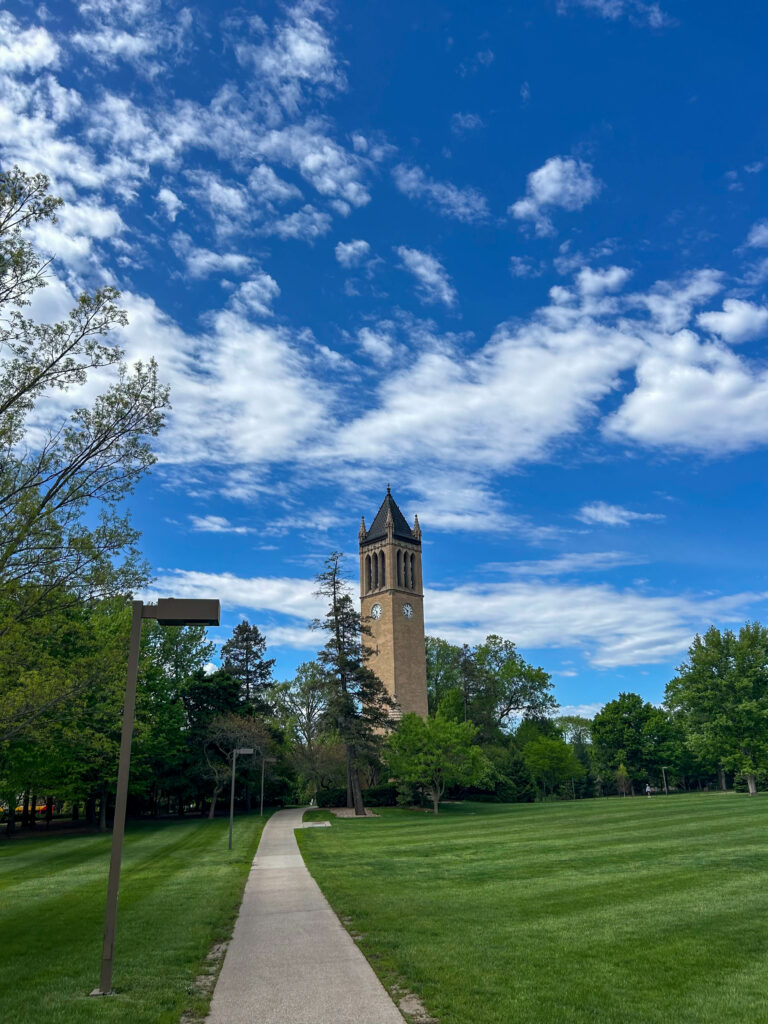
“At Iowa State, it’s big in agriculture, so all of the classes with agriculture are usually bigger if they’re just lectures,” Taylor said. “I’m taking a psychology course next semester that I’m pretty sure has a 120-student limit.”
With just over 1,000 undergraduate students, Taylor described Central College as having more limited opportunities than a school like Iowa State University, which has over 25,000 undergraduate students.
“There’s a lot more clubs on campus and more student jobs available [at Iowa State],” Taylor said. “Compared to my smaller college, it has the same stuff, just x100.”
While Iowa State does offer more on-campus activities and has a larger total undergraduate population, that doesn’t necessarily mean everything has been better compared to Central College, Taylor said.
“I do think the small college was a lot more personable,” Taylor said. “You could walk through campus, and everyone would know everybody, and then, at Iowa State, I rarely see anyone I know on campus just cause there’s so many people.”
The desire for smaller class sizes is one thing that is shared among other students across the Midwest.
At Drake University, sophomore Ceci Snow is an education major who recently transferred to Drake from Iowa State. While there are perks at a bigger school like Iowa State, Drake also has perks, such as class size, Snow said.
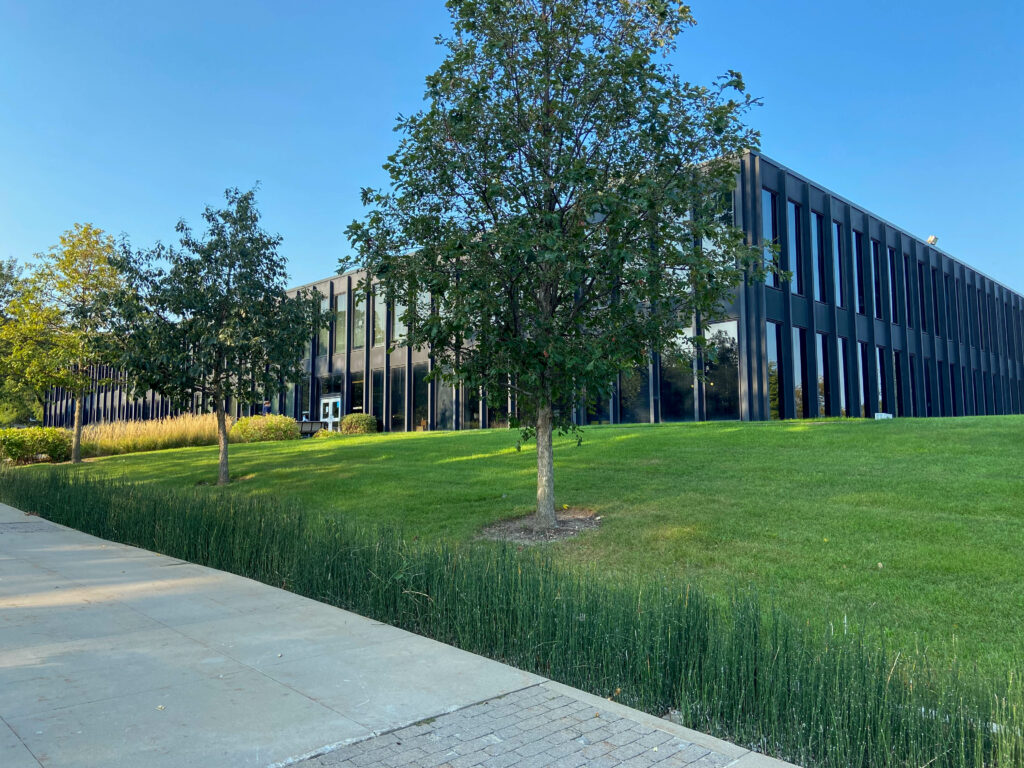
“I would say the most I’ve had is 20 people [in a class],” Snow said. “I have one class that has eight people in it right now.”
With a smaller campus such as Drake, Snow has gotten involved with extracurriculars on campus. Snow is a member of the Drake Student Senate, where she serves as the School of Education Senator.
“I feel like it’s easier to get involved at Drake than it was at Iowa State,” Snow said. “It’s easier to get known.”
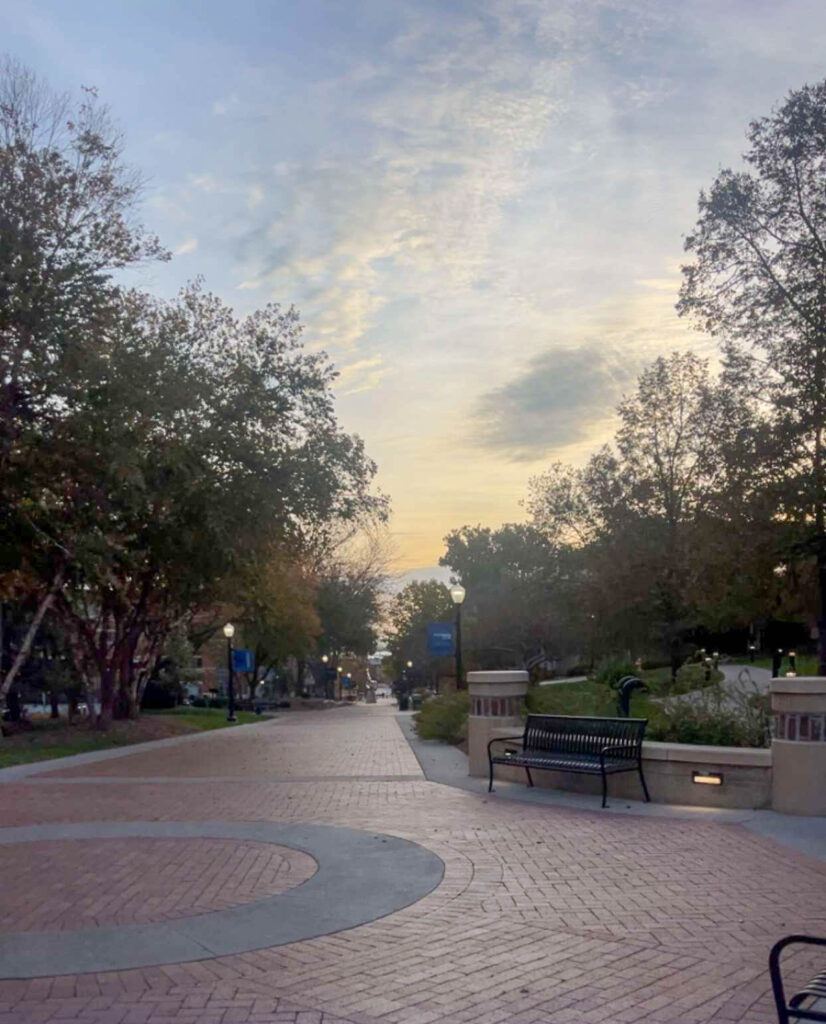
In addition to the Drake Student Senate, there are more than 17 different categories of student organizations. Whether it’s an academic, sports, or media organization, there are many opportunities for students to get involved.
On the academic side, Snow’s major proved to be more beneficial to her when she transferred to Drake compared to when she was a student at Iowa State.
“There’s just so many more opportunities with the School of [Education] here,” Snow said. “It’s easier to get involved in the classroom because it is smaller.”
Another Drake student, Eva Kellen, transferred to Drake University during her sophomore year after taking mostly online classes at North Hennepin Community College in Brooklyn Park, Minnesota.
In addition to taking online classes, Kellen also took a couple of semesters off from college. When she decided to go back to school, she was looking for specific features in a college.
“One of the things specifically about wanting a small college is that I went to a pretty small high school, and then, following that, I was pretty much a virtual student for two years,” Kellen said. “I knew that when I went back into being a full-time student, getting my four-year degree, I wanted to be in small classes.”
Kellen talked about the connections she’s made at Drake University compared to other larger colleges in the Midwest.
“My brother is an engineering major at Iowa State, and there are people in his major who he doesn’t know,” Kellen said. “But I feel like I know everyone, so it’s helped to be able to work with them, especially on group projects.”
At the University of Iowa, Alesandria Lo started as a sophomore in the 2024-2025 school year after transferring from Creighton University. Lo talked about the differences she’s noticed between Creighton and Iowa, including extracurricular activities and student resources.
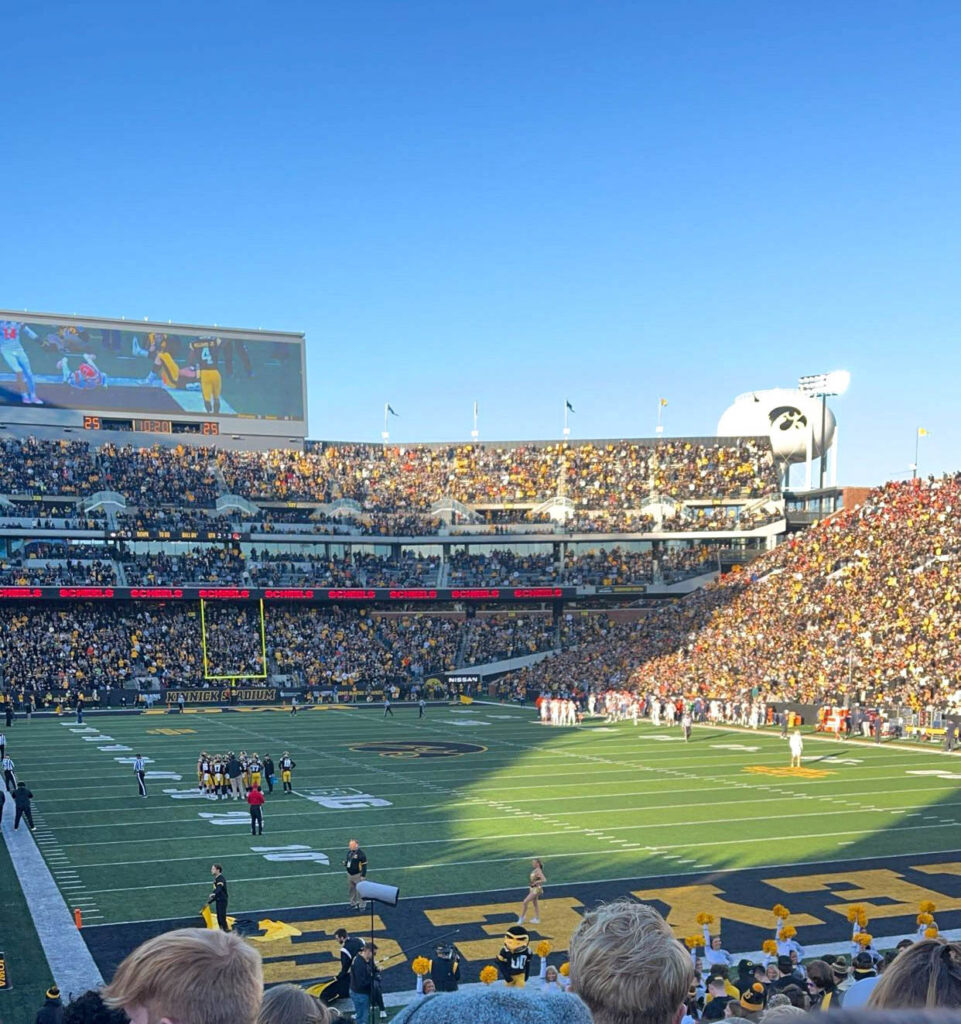
“Creighton didn’t have football, so being able to go to the football games here and experience that aspect of [college] was really nice. It was a lot different,” Lo said. “You get more resources and a lot more different clubs to join, like the Vaughan Institute and Risk Management & Insurance. At Creighton, we didn’t have any clubs like that.”
Creighton University, located in Omaha, Nebraska, is a smaller school compared to the University of Iowa. While Creighton has around 4,400 undergraduate students enrolled, the University of Iowa has over 22,000 undergraduate students.
While Lo has experienced benefits since transferring to the University of Iowa, being at a larger school has had a few drawbacks.
“It’s a lot harder to keep engaged in class, especially the big lectures because no one’s gonna notice if you’re not there,” Lo said. “Being at Creighton, every class was 15-25 students. Everyone’s gonna know when you’re not there because everyone speaks in those classes.”
With Lo’s decision to transfer from Creighton to the University of Iowa, her schedule both inside and outside of class changed.
“I [feel] like I have a better school-life balance here than I did at Creighton,” Lo said. “Everything was focused around school, and, on the weekend, you didn’t have anything to do but school since it was such a small campus, so I was looking for more of a work-life balance.”