
The Omaha Zoo is building a sustainable community – not just a zebra enclosure.
The Omaha Henry Doorly Zoo has a fairly traditional setup: exhibits are surrounded by plants, water features, and the occasional animal house. But somehow, it’s been voted number one in the US by USA Today. So how did such an acclaimed zoo end up in Omaha, which is, for many people, simply a stop for gas on Interstate 80?
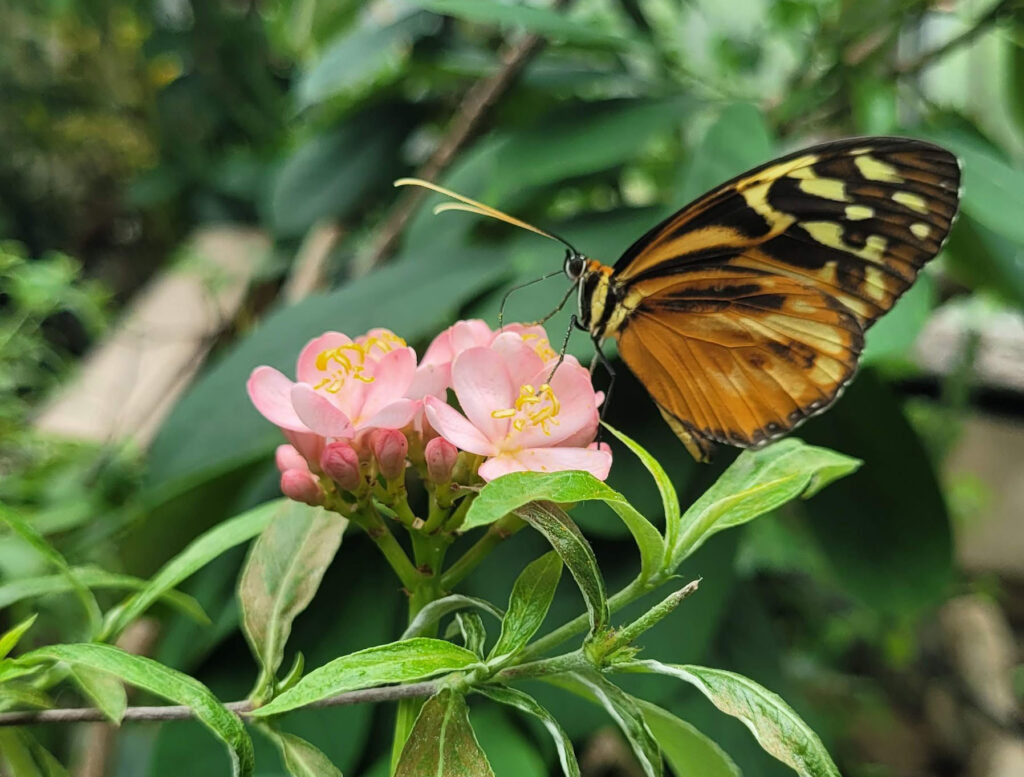
On the surface, its popularity comes from its exhibits: the indoor desert dome and jungle buildings are beloved, and the zoo also has an aquarium, butterfly pavilion, and 12 other distinct animal sections.
Underneath these sparkly attractions, the zoo’s education and advocacy programs are the real stars of the show. They focus on teaching the Nebraska community how to join the fight for more animal conservation.
Along with keeping animals safe from extinction — a zoo’s first goal — the most important work done at any zoo is conservation education, said Michael Renner, a professor at Drake University in Des Moines, Iowa. Renner has a background in zoo conservation education, teaching students about the role zoos play in fighting for animals’ existence.
“People will fight for something they care about, and they only care about stuff that they know,” Renner said, “I can give you handouts and books and show you videos, but, boy, being in the presence of [an animal] is a whole different experience.”
In that way, zoos play a vital role in teaching people to care about animals. Adding traditional placards about conservation efforts is a typical strategy to motivate visitors to take action. However, the Omaha Zoo is taking that a step further and inspiring action with more involved educational programs, including conservation-centered school curriculums, classes, citizen science initiatives and interactive programs that are part of the exhibits.
Those programs earned the zoo an official Association of Zoos and Aquariums accreditation, which they first gained in 1983. That means that members of AZA’s commission determined that the facilities, staff, and organization’s mission statement met their conservation and community education standards.
In order to be accredited, organizations’ initiatives must “inspire conservation action with measurable outcomes, both at the institution and in the community/society-at-large,” according to the AZA standards list. Less than 10% of organizations in the US are awarded the accreditation, and it must be renewed every five years.
One way the zoo meets these standards is through traditional learning. The zoo’s education center houses a full-time preschool, pre-K, and kindergarten. There is also a program called “Zoo Academy” that works with local districts to bring middle and high schoolers to the zoo for a few days a week.
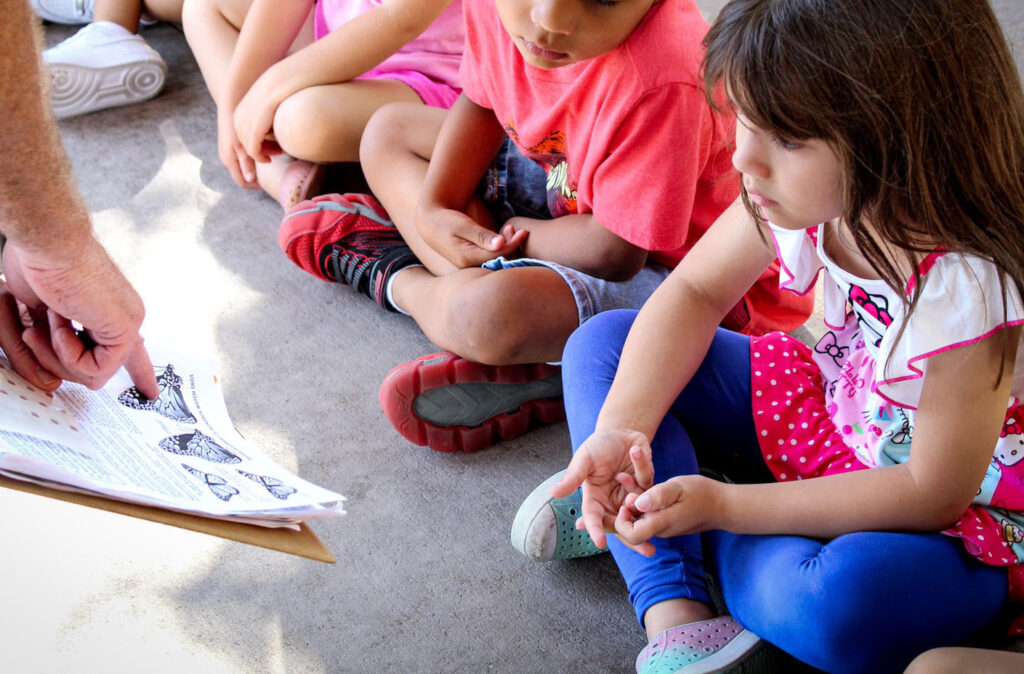
Jocelyn Harrison, the zoo’s vice president of education, said the programs empower young members of the Omaha community to take sustainability seriously.
“I think we see [that] come true through programs like Zoo Academy, where these students graduate and one day have a career in a conservation field,” Harrison said.
Through the Zoo Academy program, high school juniors and seniors from all over the Omaha area explore conservation fields and take classes at the zoo. Riley Martin, a Zoo Academy alumnus, said his participation in the program connected him to sustainability every day.
“I was just more aware of the world and what environmentally is going on,” Martin said. “That was the biggest takeaway for me…how important conservation is, how important green energy is.”
The academy also involved a senior project, where students worked in groups to bring sustainability to the Omaha community. In Martin’s group, he and his peers helped renovate an outdoor garden at a local elementary school.
The center teaches over 9,000 students about conservation annually. That outreach can inspire young community members to care about the environment, which Harrison said is a vital part of sustainability.
“Empathy for wildlife is conservation… A five-year-old might not be able to recycle or donate money, but they are able to build a connection with wildlife and that is going to change their perspective for how we treat animals,” Harrison said.
The zoo also goes beyond its traditional schooling systems. Much of the Omaha community only experiences the zoo through visiting, so conservation education is also baked into a visitor’s experience at each exhibit.
According to Renner, that starts with the enclosures themselves. A good enclosure should allow the animals to mimic what their life would have been like in nature — not just for their happiness, but also to develop a stronger connection between them and the visitor.
“If you don’t design an environment around them that supports all of their species’ typical behaviors, then they’re not going to be normal. So they’re not going to be a good teacher for the humans about what’s interesting about this species, and why should we keep them around,” Renner said.
Fortunately, the zoo in Omaha has the space and funding to provide that enrichment for its inhabitants. The campus is 160 acres in total, and seven of those are indoors and temperature-regulated, protecting tropical animals from the cold Midwest weather.
The zoo’s surrounding community recognizes that enclosure quality. Martin, who grew up going to the zoo, said he loves seeing the animals happy and in their natural environment.
“I think the theming and the quality of enclosures at the zoo is my favorite part about it,” Martin said.
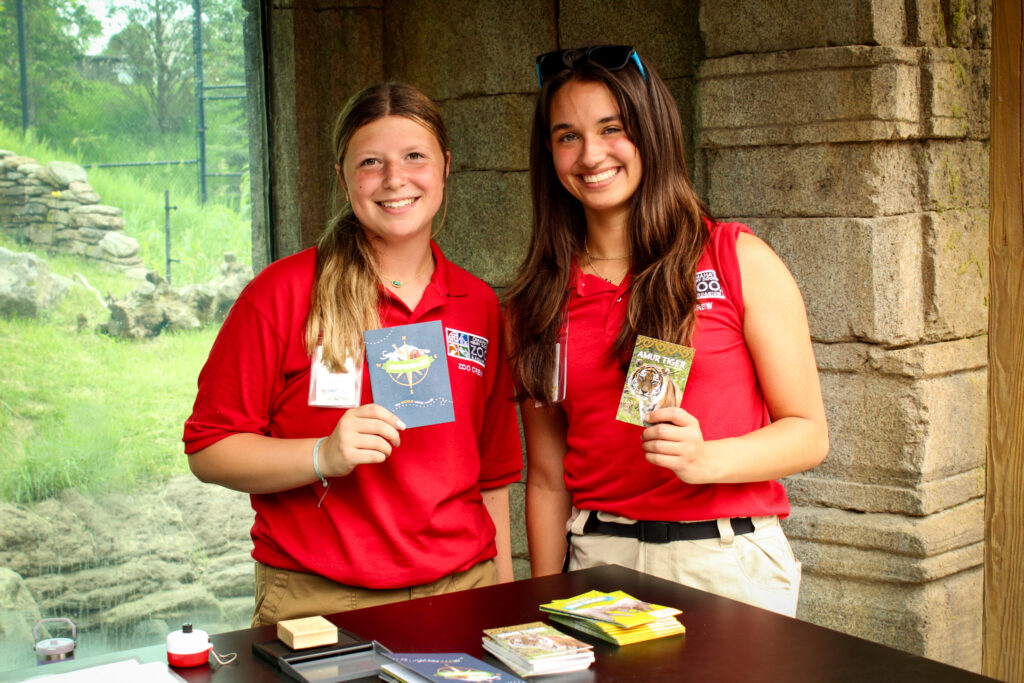
At many zoos, enclosures also include information about the animal to educate visitors. Those elements are called “interpretive programs” and are vital to connecting visitors to wildlife, according to Harrison. The programs center around docents who teach visitors about each animal, ask questions to engage their curiosity, and suggest conservation methods they could use in the future.
Those programs are a large part of the Omaha zoo’s education department, Harrison said.
“We’re trying to connect with [visitors] based on what they’re feeling, relating to their background and giving them information on the animals that they want to hear so they can learn at their own pace,” Harrison said.
Sometimes, that means reaching across ideological barriers — not just a physical one. Not everyone who visits is receptive to the idea of conservation, Harrison said, but the organization is adamant about meeting people where they’re at.
“People are already excited when they’re [at the zoo]… You have an opportunity, a little bit of a window where you can open up that empathy to other things, beyond just that connection with wildlife in that moment, to how [we can] help them,” Harrison said.
In that way, interpretive programs help the zoo reach even cynical audiences, but the zoo is always trying to improve its outreach. Currently, it’s working on making programs more accessible.
“What we’ve seen is, we don’t always have everyone from our community come to the zoo, and especially not to our programs,” Harrison said.
As a result, the organization is trying to find solutions.
“Sometimes we just need to get a little bit creative [about] how we’re working with people, how we’re reaching people in new ways,” Harrison said. “If people want to be connected and have felt a barrier before, I just encourage them to reach out and try to be a part of our community.”